
15 Days of Chinese New Year Celebration: More Than Just Fireworks
Unlike other New Years, the Chinese New Year lasts 15 days, with each day bringing new celebrations, meanings, rituals, and emotions. All the red lanterns, fireworks, family dinners, and mystical decorations for half a month sound magical to me.
The Chinese New Year, also known as the Spring Festival, follows the lunar calendar and usually falls between January 21 and February 20.
And now allow me to explain each day of this big celebration.
A Day Before 15 Days Of Chinese New Year
Hey squad!! With just a day left before the 2026 Chinese New Year (hello, Year of the Fire Horse!), it’s time for the pre-fest prep — setting the stage for good vibes, fresh beginnings, and welcoming prosperity. Ancient customs are still followed today, traditions that carry deep meaning into the year ahead. So Let’s dive into these must-do’s before the big day
Spring Cleaning: Refresh Your Space
About a week before the Chinese New Year, people start to thoroughly clean their houses. In China, sweeping your house before the New Year is considered a way to sweep away last year’s bad luck and make room for good fortune.
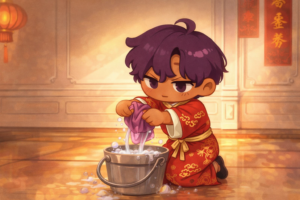
Fun Fact: In China, people skip cleaning on actual New Year’s Day to prevent sweeping away the good luck from the house. So be ready with a playlist to blast on the big cleaning day of your space, so we can invite positivity into our homes. And let’s just not mention the “no cleaning on New Year’s Day” rule — I took it way too seriously and avoided touching a broom for a year. Come on, I’m collecting good luck.
Debt-Free Start
People pay off any debts or IOUs before the New Year hits. This custom is all about starting fresh without financial baggage.
Red Envelope Prep: Stack Those Lucky Packets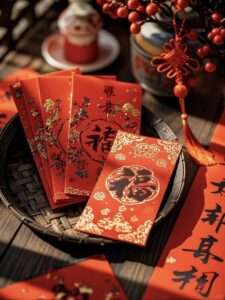 Adults prep hongbao (red envelopes) stuffed with cash for kids and unmarried members of the family (Once you are married, say ta-ta to hongbao). But the real ritual is getting them ready not with just cash but also good wishes.
Decorations: Red, Gold, and Everything Bold
Hang up red lanterns, couplets (poetic scrolls on doors), and paper cuttings of auspicious symbols like fish (for abundance) or upside-down “fu” (for luck arriving). This happens in the days leading up, transforming homes into vibrant wonderlands.
Hair and Style Refresh: No Cuts, Just Glow Get haircuts or new outfits before New Year’s Eve, but never on the day—cutting hair symbolizes severing family ties (it’s a big deal!). Fresh threads in red or bright colors ward off evil spirits.
Day 1: Chinese New Year’s Day “Yuan Ri” (元日)
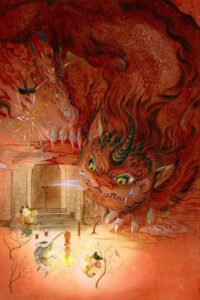 The 1st day of the Chinese New Year starts with full energy. People start the 1st day with a bang by setting off firecrackers at dawn to scare away evil spirits like the mythical beast Nian. Nian symbolizes driving out the old year’s negativity. Lion and dragon dances fill the streets with rhythmic drums and high-energy.
People wear new clothes, especially red clothes for luck, greet elders with wishes like “Gong Xi Fa Cai” (wishing you prosperity), and visit relatives starting with the oldest. Kids and unmarried folks receive red envelopes (hongbao) filled with money for good wishes.
People offer incense and food to ancestors and deities to welcome them into the home for blessings. Some families opt for a vegetarian first meal to cleanse the body, while others enjoy symbolic dishes like whole fish for abundance or dumplings for wealth.
Day 2: Welcoming the God of Wealth “Kai Nian” (开年)
On the second day people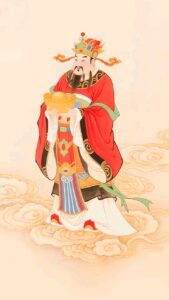 pray to the God of Wealth (Cai Shen) at midnight or early morning with offerings like sweets, fruits and incense to attract prosperity—many businesses do this for a successful year. Married daughters of the family return to their parents’ home with husbands and kids. It’s a day to honor in-laws and strengthen family ties.
The 2nd day is also known as the “dogs’ birthday” sounds fun right, people feed stray dogs or pets extra treats for good karma. Visiting friends and relatives, exchanging gifts or hangbao and enjoying dishes steamed chicken or prosperity salads to symbolize growth and fortune.
Interesting Fact: In some areas, this day is called “opening the year,” and people avoid napping in the afternoon to prevent laziness throughout the year.
Day 3: Day of the Red Mouth “Chi Kou” (赤口)
The third day of Chinese New Year is traditionally called “Chi Kou” (赤口), meaning “Red Mouth.” It is considered inauspicious because the day symbolizes quarrels and sharp words.
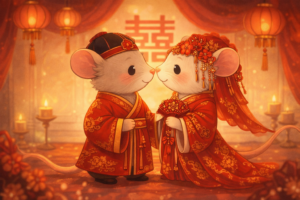 In folk belief, it is linked to conflict energy, so people avoid visiting others to prevent arguments and maintain harmony. People mostly stay home and rest or head to a temple to burn paper offerings or pray quietly for peace.
In folklore, this is the “rat’s wedding day,” so people go to bed early to give rats space—believed to ensure a good harvest.
At first, these traditions might sound excessive or overly strict. Avoid visiting people. Avoid arguments. Stay home. Keep things quiet.
But when we look at our daily lives, it starts to make sense. Most of the time, we are either busy with our responsibilities or endlessly scrolling on our phones. We rarely slow down. We rarely sit in silence. We rarely spend intentional time with our family — or even with ourselves.
Maybe that’s what makes Day 3 interesting. A day that encourages us to pause. To avoid unnecessary conflict. To stay home. To protect our energy.
Instead of seeing it as “inauspicious,” we could see it as a detox day — emotionally and mentally. A reminder that sometimes, the most meaningful celebration is not loud.
It’s quiet. It’s present. It’s peaceful.
Day 4: Welcoming the Gods “Yang Ri” (羊日)
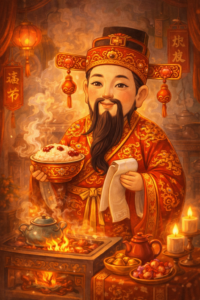 Day 4 of the Chinese New Year is for inviting household gods, especially the Stove God (Zao Wang Ye) and offers fruits, sweets, and sometimes symbolic animals like chicken, fish, or pork. Some families burn paper money or set up altars.
A ritual tied to ancient agrarian beliefs to prepare “three animals” (san sheng) which are pork, chicken and fish as offerings are still followed in some custom. It symbolizes gratitude for the year’s harvest, live-stock and food supply and to respect heavens and household deities.
Day 5: Breaking the Fifth “Po Wu” (破五)
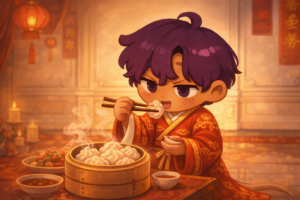 The fifth day known as “Po Wu” (破五) translets to “Breaking the Fifth”. From the fifth day many New Year taboos are broken or lifted. The broom’s holiday is over now, people dump rubbish for the first time, symbolizing removing poverty. Shops and businesses reopen with firecrackers to welcome the god of wealth again. Everyone continues with their routine, visiting friends and markets.
Dumplings(jiaozi) are the star of the show as it symbolizes wealth —the more you eat, the more money you’ll make, according to legend!. This day is sometimes called the “God of Wealth’s birthday”.
Day 6: Sending Away Poverty “Ma Ri” (马日)
The sixth day is known as “Ma Ri” (马日), meaning “Day of the Horse.”
Traditionally, it is believed to be the day to send away poverty and misfortune from the previous year.
On this day, families finally take out accumulated rubbish and leftover offerings. Unlike the first few days where sweeping is avoided, cleaning is now fully allowed. Throwing away trash symbolizes removing hardship and bad luck.
Many people also resume outdoor activities. Visiting friends, going to markets, and short travels become common again. Temples remain busy as families continue to pray for a smooth year ahead.
It marks the transition from ritual restrictions to normal life energy. (I know it’s really similar to Day 5).
Day 7: Everyone’s Birthday “Ren Ri” (人日)
The seventh day is called “Ren Ri” (人日), which translates to “Human’s Day” or “The Common Birthday of All People.”
According to ancient legend, the goddess Nüwa created humans on the seventh day of creation. Therefore, this day is considered the symbolic birthday of humanity.
People celebrate by eating special dishes. In some regions, long noodles are eaten for longevity. In southern China and Southeast Asia, a raw fish salad called “Yu Sheng” is tossed high in the air while making wishes for prosperity.
It is a positive and uplifting day, focusing on growth, health, and unity.
Day 8: Preparing for Prosperity
The eighth day holds spiritual importance, especially in business communities.
It is traditionally linked to preparations for welcoming the Jade Emperor’s birthday, which is celebrated at midnight leading into the ninth day. Families set up altars, prepare offerings, and burn incense.
Businesses often organize prayers for financial success and stability. In some regions, another round of firecrackers is lit late at night.
The atmosphere becomes respectful and hopeful again — shifting from personal celebration to divine gratitude.
Day 9: The Heavenly Birthday — Jade Emperor’s Day
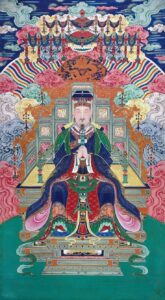 The ninth day of Chinese New Year is considered one of the most spiritually significant days of the entire festival.
It marks the birthday of the Jade Emperor, the supreme ruler of Heaven in Taoist belief. He is believed to govern the heavens, earth, and the destiny of humanity.
On this day, families prepare elaborate offerings such as fruits, tea, incense, sugarcane, and sometimes vegetarian dishes. Red candles are lit, paper offerings are burned, and prayers are offered for protection, prosperity, and peace.
In some regions, especially in Fujian and among Hokkien communities, the celebration is grand and deeply devotional. Firecrackers are set off at midnight to honor the Emperor of Heaven.
This day feels different.
It is less about family feasting and more about divine gratitude — a moment to look upward and acknowledge the higher power believed to oversee the new year.
While earlier days focus on harmony and wealth, Day 9 centers on faith, respect, and heavenly blessings.
It is the spiritual peak of the 15-day celebration.
Days 10–12: Feasting with Family and Friends
These days continue the spirit of reunion and hospitality.
Families invite relatives and close friends for meals. It is a time of strengthening relationships and expressing goodwill for the new year.
Large gatherings, shared dishes, and cheerful conversations dominate these days. The festive atmosphere remains strong, though slightly calmer than the opening days.
Days 13–14: Rest and Preparation
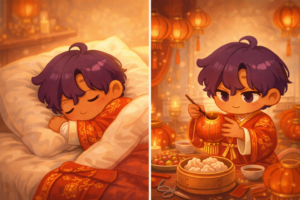 After many days of heavy feasting, Day 13 is often considered a lighter day. Some families eat simple or vegetarian meals to balance the body.
Day 14 is mainly for preparing for the Lantern Festival. Homes and streets are decorated with lanterns, and families begin planning the final celebration.
Day 15: The Lantern Festival — The Grand Finale
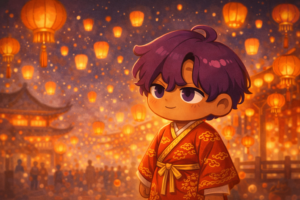 The fifteenth and final day of Chinese New Year is known as the Lantern Festival. It marks the official closing of the 15-day celebration.
It falls on the first full moon of the lunar year, symbolizing unity, completeness, and new beginnings.
On this night, streets glow with red lanterns. Families walk together under the full moon while children carry colorful lanterns in different shapes.
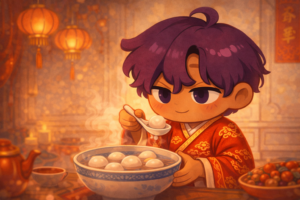 People eat Tangyuan (sweet glutinous rice balls). Their round shape represents reunion and harmony, while the sweetness symbolizes a smooth and peaceful year ahead.
Lantern riddles are solved, fireworks light up the sky, and in some places, sky lanterns are released carrying wishes upward.
After fifteen days of rituals, reunions, prayers, feasting, and reflection, this night feels like completion. It is a celebration of light — both outside in the sky and inside the heart.
The festival ends, but hope remains.
A Personal Note & Wish 
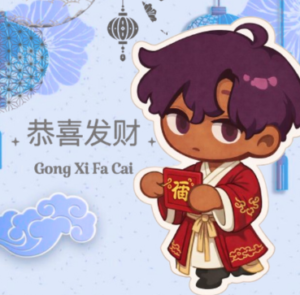 As these fifteen days come to a close, may this year bring you clarity when things feel uncertain.
May your home be filled with warmth, even on quiet days.
May your efforts turn into prosperity, your conflicts turn into understanding, and your worries turn into lessons.
And just like the lanterns rising into the night sky, may your dreams rise higher than your fears.
Happy Lantern Festival. 
